
Dear Future Interns
Our OCA intern alumni were asked, “What advice would you give to future OCA interns?” This is what they said.
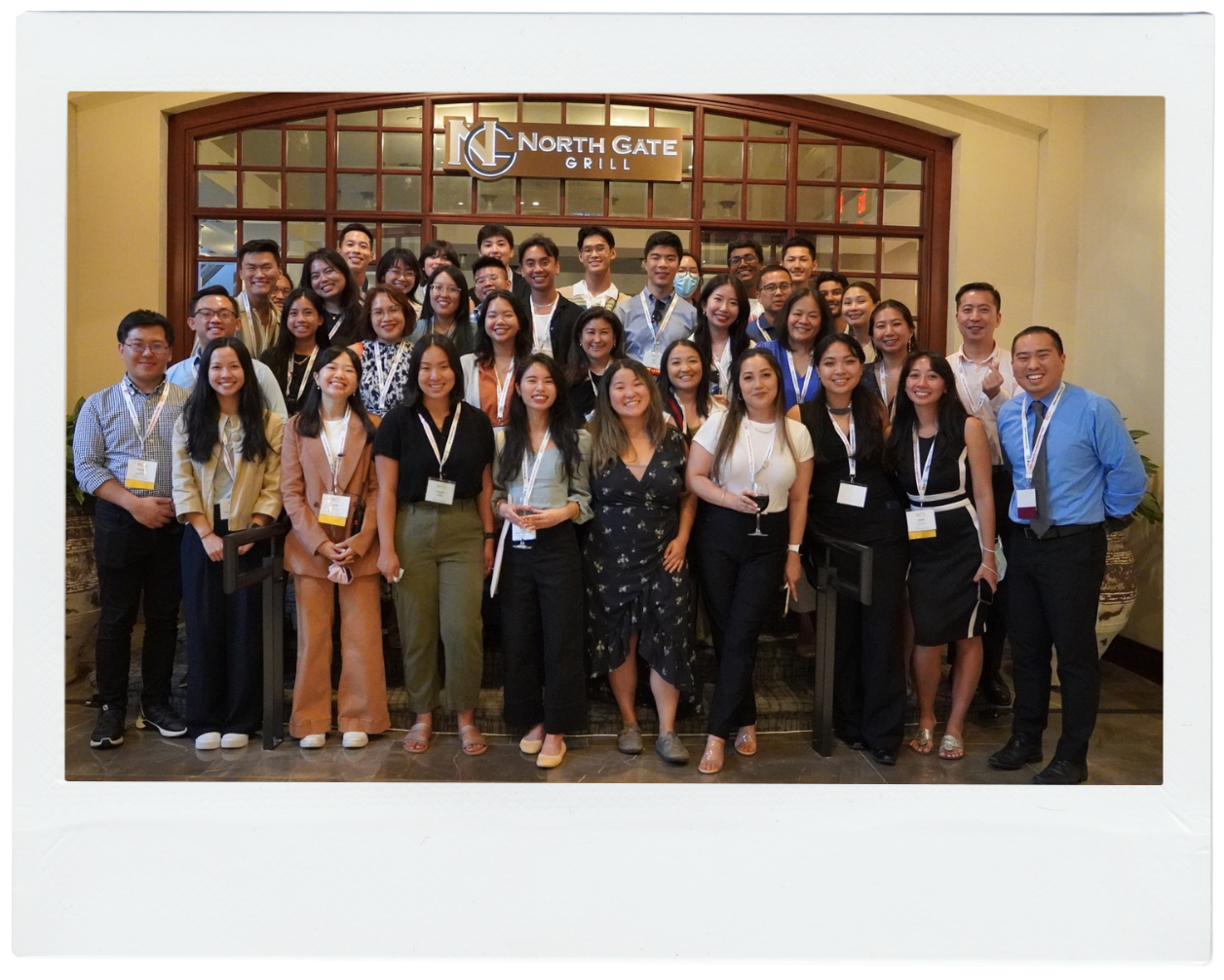
1. Be Open-Minded
Christina Bui: “Step outside of your comfort zone and really lean into at least trying something new, even if it brings a lot of uncertainty.”
Alekhya Chaparala: “Just go into the experience open-minded about your placement, about the experience, about the direction your career might go.
At this stage, it kind of feels like you have to have everything all figured out. But I would say just be open-minded and learn as much as you can during the experience.”
Grace Chen: “Enjoy the process. It’s okay to like what you like and realize what you don’t like.”
Crystal Chiu: “The biggest piece of advice I can give to help give your life purpose and meaning is stay curious.
Be curious about how something works or be curious about ‘What do we do that and not do this?’”
2. Say Yes to Opportunity
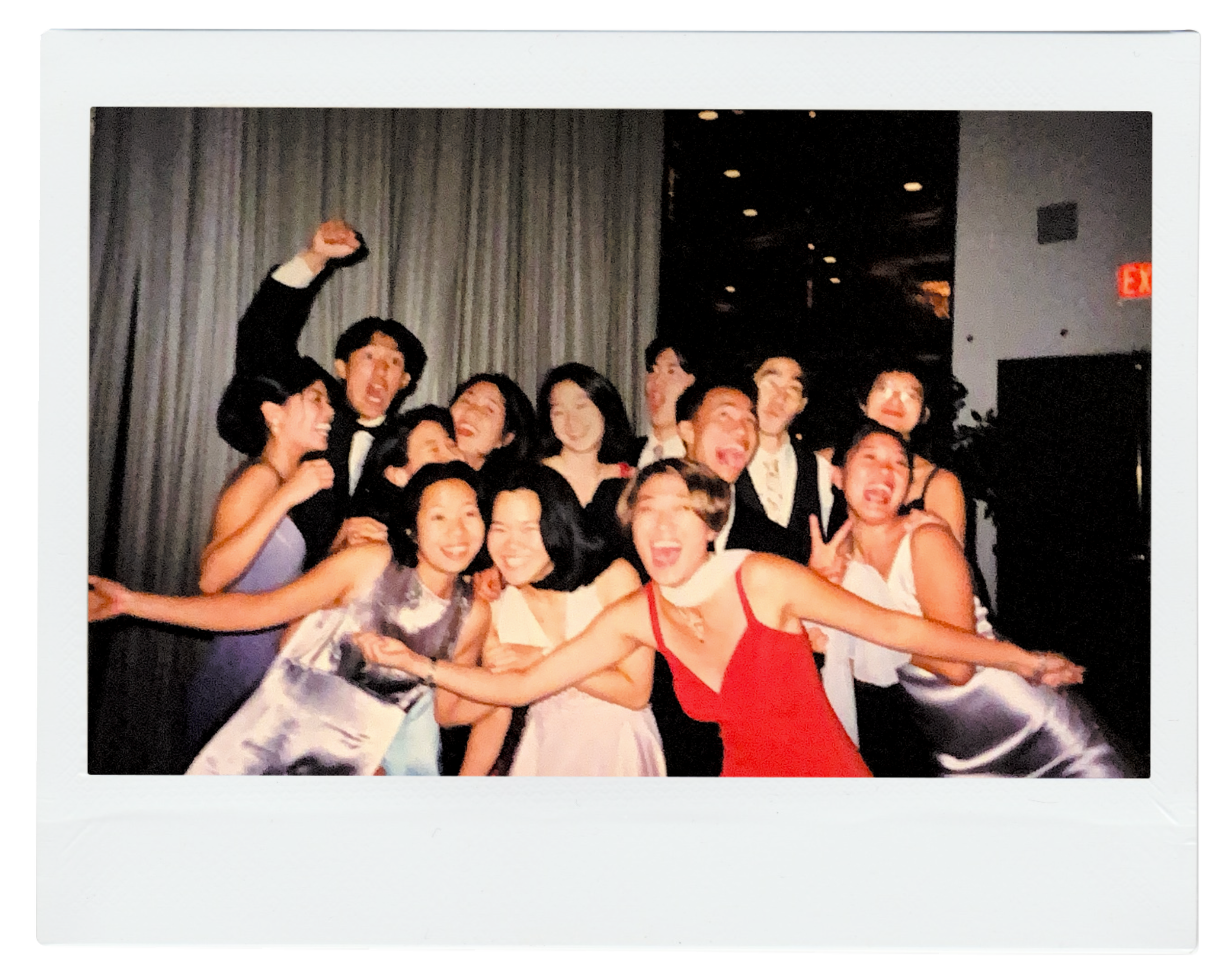
Muttika Chaturabul: “The more you tap into the spaces, the more you learn about all the different ways that you can make an impact during your time there and after. So go to all the brown bag lunches, go to all the happy hours, meet a tong of people you wouldn’t have otherwise met.”
Jaslin Kaur: “Say yes to everything. Even if you’ve never done something before. You’ll learn a lot about yourself, what you’re interested in, and you’ll learn a lot from other people who have something to teach you. So say yes, go to that thing after work, even though you’re tired. Stay out a little later. Like all of it, it will be worth it.”
Jaclyn Marmol: “Life is too short to be riddled with regret or wondering what could have been. If an opportunity presents itself, go for it! You are deserving of the good that comes out of it, or you’ll recover from any of the bad. But you’ll never know if you don’t try.”
Samantha Ng: “Say yes to opportunities that come your way. No matter what happens, it’ll be a learning experience.”
Andrew Peng: “Do the thing, talk to that person, start the project you’ve always wanted to do. Don’t let indecision, nervousness, or even shyness stop you from acting.
This isn’t to say you shouldn’t be thoughtful about how you live, but try not to get stuck in your own thoughts and feel regret later in life—that you didn’t do enough. This applies both personally and professionally.”
3. Be Mindful of Your Well-Being
Meloddy Gao: “Burnout does happen no matter how passionate you are. And sometimes it does take time to recover. It’s really important to kind of take time for yourself and sometimes to kind of understand what you’re feeling. And I also just want to say like to be kind and patient sometimes.”
Daniel Hoddinott: “It’s easy to get burnt out in D.C. because there’s so much happening in your placement, after work, and on the weekends. And so just make sure that you’re giving your space and yourself time to recharge so that you’re not burning out every week, and that you’re able to really be engaged in all the experiences you’re getting.”
Christian Phomsouvanh: “While imposter syndrome is going to be in your mind and constantly eat at you, I think always having to remind yourself that you are able to have the skillset, capacity, knowledge to take up space at whatever, you know, capacity you can.”
Michelle Sugihara: “Be kind to yourself and don’t compare your life to someone else’s highlight reel.”
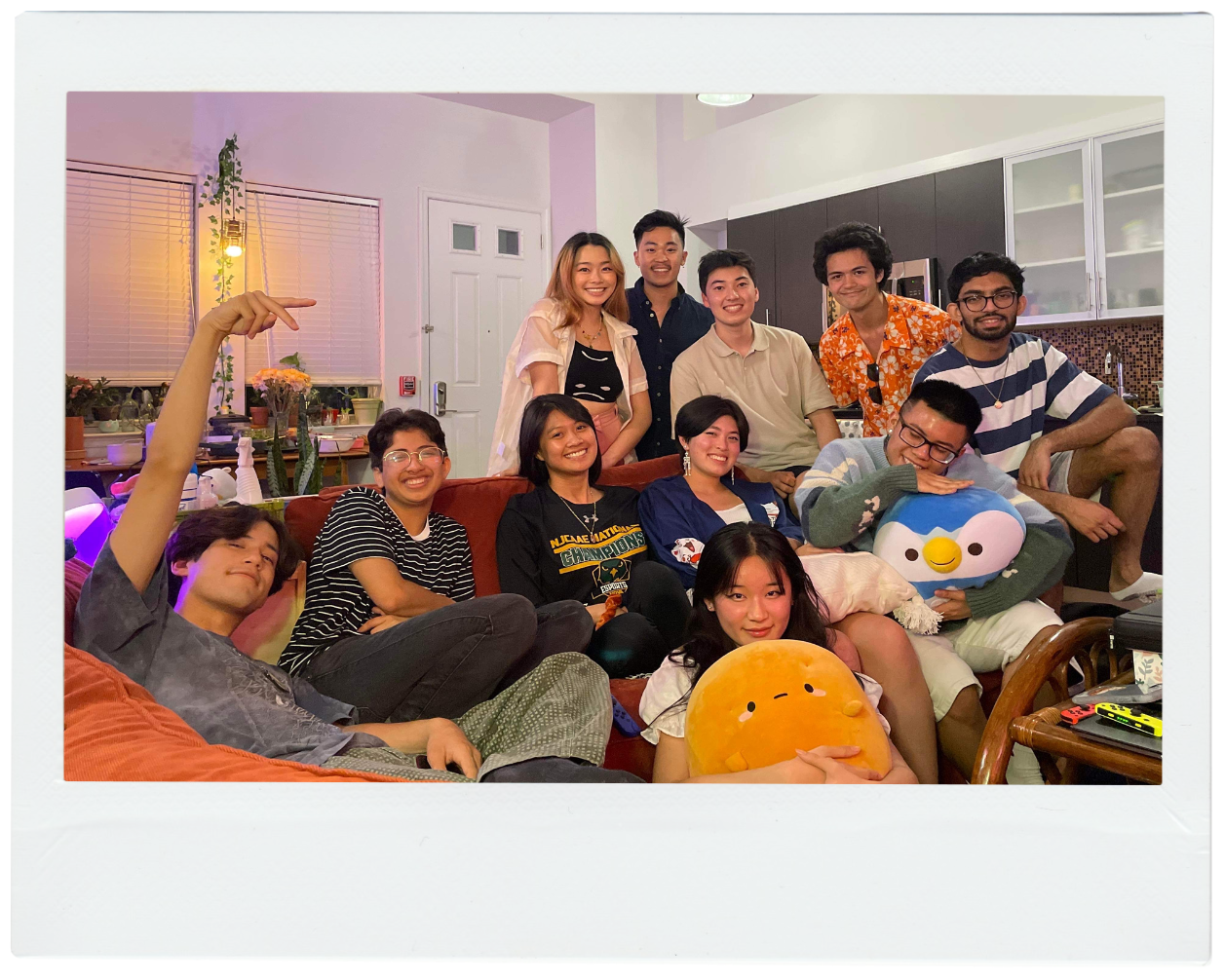
4. Nurture Connections with Peers and Professionals
Andrew Chang: “You’ll meet a lot of people who have good intentions. They want to see you, uplift, you, and see you succeed. And at the same time, you have something to offer as well.”
Cindy Dinh: “If you meet somebody that seems to have an interesting career, or you want to get to know them a bit more, offer to meet with them for coffee if you’re in the same city, or a Zoom call. Because people are surprisingly willing to talk about themselves. And when you’re a student, it’s much easier to do that than when you’re working.”
Shawn Jain: “Take advantage, of getting to know your other classmates. Getting to know them, what they do, where they’re from, where they’re interning and, getting to know other interns who are not in OCA and really trying.”
Ricky Ly: “Support, learn from each other, talk to each other, and just meet as many folks as you can ‘cause there’s so much going on in D.C.”
Lena Pham: “Spend as much time as you can building relationships with your fellow interns—these connections often last far beyond the program itself. Your cohort can become a powerful support network, both personally and professionally.”
Fine Tuitupou: “Really cherish and keep the connections that you make because through OCA you get to meet a lot of different people in D.C. that are outside of OCA, but even meeting people within OCA—those are good connections.”
William Xu: “Keep an open mind and have fun during your summer! The most valuable thing you can do is spend time getting to know people, and building the relationships that will truly help you build out the rest of your career. It isn’t about the number of people you meet, but the number of meaningful relationships you build.”
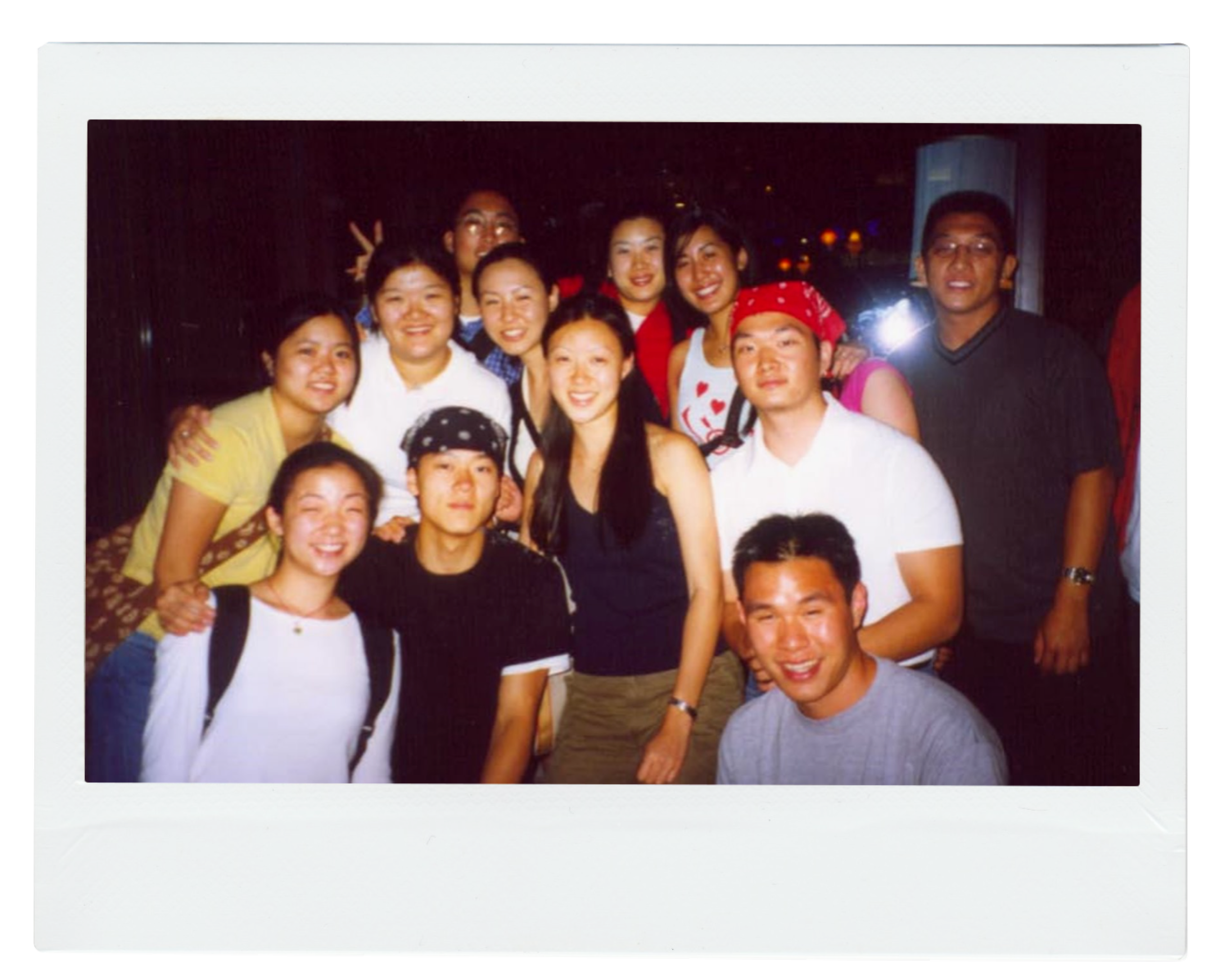
5. Know That You Can Make a Difference
Marina Aina: “You might feel defeated at times, but you’ve always got to maintain hope because having hope and optimism and love for the betterness of your own community and seeing a better future for yourselves is what keeps you moving.”
Christine Chen: “This space—public service, public policy—it’s really changing right now, and there are challenges. I’m going to be upfront with that. But I think this is where you have to hold true to what your values are and why you’re doing this. If you could hold onto that, that will keep you going.”
Steve Lin: “It’s the nature of our system, and it takes time to implement change, particularly through our particular system now. So that would be my recommendation: have a better understand our system, better understand where change can happen.”
Maria Manalac: “Sometimes with internships you feel like you’re just kind of doing the routine thing, but you’re contributing a lot more than you think because otherwise, we wouldn’t have had you be there. So, I think, really value your work.”
Matthew Noerper: “There will always be obstacles, reasons to not do something, and people telling you that you aren’t the one to do it. Find a place and a way you can add value, own it and do it, and you will find that other opportunities will open up.”
Julie Su: “We need you. How you use your power matters and in this moment, we need all of us to get in the arena and fight to protect the gains we’ve made and help build a world where everyone gets to share in security and live a life of dignity. No one can sit it out.”
Linh Truong: “Embrace your position as the Gen-Z hire. Anyone can be taught the hard skills of a job, but being able to lift the spirits of your coworkers is a valuable (and rare) asset to any team. Your ability to communicate the perspectives and needs of your generation is important!”