
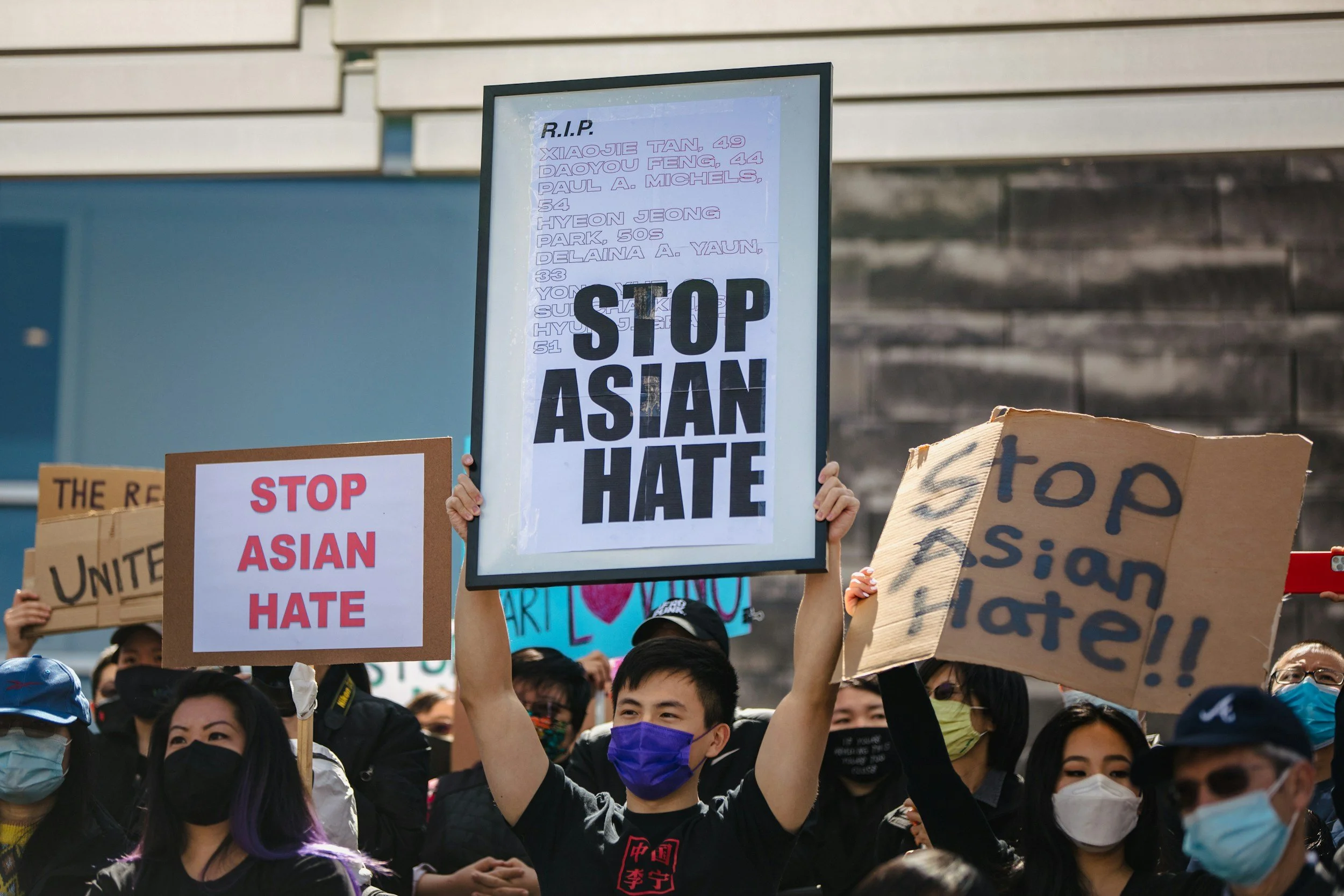
Photo by Jason Leung on Unsplash
By Kayla Roong and Socheata Sun
As we commemorate the anniversary of Vincent Chin's death, we also observe Juneteenth—a celebration of Black freedom and a reminder that the struggle for racial justice remains unfinished.
For many Asian Americans, Vincent Chin’s name has become synonymous with the fight against hate, racial violence, and the pursuit of justice. His murder was not an isolated act of violence. It was fueled by racial scapegoating and the dehumanization of an entire community. More than four decades later, those same forces continue to shape our society and impact communities across the country.
On this day in 1982, amid rising anti-Japanese sentiment tied to economic anxieties within the American automotive industry, Vincent Chin, a Chinese American man, was brutally murdered by two white autoworkers. Although Chin was not Japanese, his attackers reportedly used racial slurs, including “nip” and “chink,” revealing that the violence was rooted not in who he was, but in racist assumptions and anti-Asian hatred.
These hateful statements became central in the federal civil rights case, which determined that the attack was racially motivated. The attackers’ disregard for Chin’s actual ethnicity exposed a broader truth: anti-Asian racism often operates through racial scapegoating and the erasure of individual identity.
Today, Asian American communities continue to confront discrimination, hate, and harassment. These experiences do not occur in isolation; they are shaped by a longer history of exclusion rooted in racial wedge politics and the persistent “perpetual foreigner” stereotype that frames Asian Americans as outsiders regardless of how long we have been part of this country. This pattern of othering echoes the conditions that shaped Vincent Chin’s death.
At the same time, we must also confront the reality that anti-Black racism exists within Asian American communities, as well as within broader American society. These harms are deeply interconnected, and efforts to combat hate cannot be limited to protecting only our own communities or experiences.
True solidarity requires us to actively challenge the narratives and systems that pit communities of color against one another—stories that rely on fear, suspicion, and division to sustain themselves. Breaking these cycles means naming harm honestly, addressing bias within our own communities, and standing alongside others in the shared pursuit of justice and safety for all.
The legacies of Vincent Chin and Juneteenth remind us that our futures are interconnected. Advancing justice requires empathy and a commitment to ensuring that every community can live with dignity, safety, and belonging. As we remember Vincent Chin today, we reaffirm our commitment to building a more just and inclusive future for all.
If you, your family, friends, or community members have experienced a hate crime or hate incident, please report it through stopaapihate.org/report-hate.